Best overall for routine dust and paw prints: water with a washable microfiber cloth. Best for urine accidents: an enzymatic pet-stain cleaner labeled for the surface. Best for greasy, washable messes: mild, unscented dish soap used as directed. This 2026 guide compares pet friendly cleaning products by cleaning task, surface compatibility, and exposure precautions—not blanket safety claims. For help with residential cleaning or vacation-rental turnovers in St. Petersburg and Pinellas County, Tampatopshelf provides local cleaning services.
- Water and microfiber lead this pet friendly cleaning products guide for routine dust and paw prints on compatible surfaces.
- Choose an enzymatic pet-stain cleaner for urine accidents; follow its surface, application, and drying instructions.
- Mild, unscented dish soap suits greasy messes on compatible washable surfaces, not every floor or fabric.
- Tampatopshelf provides residential cleaning and Airbnb turnovers; discuss pets, surfaces, and product preferences before service.
Why this matters in a home with pets
Pet friendly describes how you choose and use a cleaner, not a guarantee printed on the bottle. Your dog can lick a damp floor. Your cat can walk across a treated counter and then groom its paws. Keep animals away during cleaning and follow the product's instructions for rinsing, ventilation, drying, and reentry.
For Pinellas County homeowners, the practical decision is whether you need routine cleaning, stain treatment, or disinfection. Those are different jobs. A dusty shelf does not need the same treatment as a urine-soaked rug, and an ordinary paw print does not automatically call for a disinfectant.
For a pet-welcoming vacation rental in 2026, write the cleaning method into your turnover instructions. Identify approved surfaces, product directions, and when pets can return. A consistent process is more useful than a shelf crowded with bottles carrying reassuring labels.
What makes the best pet friendly cleaning products
Use these criteria before choosing a cleaner:
- Task fit: Match the product to dust, grease, urine, or a specific disinfection need. Do not expect one bottle to solve every problem.
- Surface compatibility: Check instructions for your flooring, upholstery, stone, and finishes. A pet-related label does not establish material compatibility.
- Exposure instructions: Look for clear directions about dilution, rinsing, ventilation, drying, and keeping animals away.
- Fragrance preference: Choose fragrance-free options when you want to avoid added scent. Fragrance-free does not mean harmless if swallowed.
- Repeatable use: Favor a method you or your turnover cleaner can follow consistently. Unclear mixing and application instructions create avoidable mistakes.
The ranking below prioritizes ordinary household cleaning first, then specialized treatments. It does not rank chemical formulas by toxicity or claim that any cleaner is safe for ingestion.
Pet-friendly cleaning options at a glance
| Rank and option | Best for | Standout feature | Key limitation |
|---|---|---|---|
| 1. Water and microfiber | Routine dust and light paw prints | Removes light soil without adding a cleaning formula | Does not disinfect or resolve absorbed urine |
| 2. Enzymatic pet-stain cleaner | Urine accidents on approved materials | Uses enzymes to break down components of organic stains | Needs label-specific application and dwell time |
| 3. Mild, unscented dish soap | Greasy messes on compatible washable surfaces | Helps lift grease for removal | Residue needs removal; unsuitable for some finishes |
| 4. Fragrance-free surface cleaner | Routine cleaning that needs more than water | Provides a formulated cleaner without added fragrance | Fragrance-free is not a pet-safety certification |
| 5. Surface-appropriate disinfectant | A defined need to disinfect | Treats specified germs when used according to its label | Requires exposure controls and correct contact time |
1. Water and microfiber: best for routine paw prints
Water and a washable microfiber cloth are the simplest starting point for light dust and fresh paw marks on compatible hard surfaces. The cloth collects loose soil while moisture helps loosen marks. Keep the cloth damp rather than soaking wet, and check the flooring manufacturer's care instructions before damp-mopping.
Water and microfiber pros:
- Adds no cleaning formula to the surface.
- Works for light, everyday soil on suitable materials.
- Makes a practical first pass before deciding whether a cleaner is necessary.
- Uses a washable cloth rather than relying on a disposable wipe.
Water and microfiber cons:
- Does not disinfect a surface.
- Does not reliably remove greasy buildup or urine absorbed into porous material.
- Excess water can damage moisture-sensitive finishes or flooring.
Best for: Homeowners maintaining floors between scheduled cleanings and hosts dealing with light marks during a turnover.
For your 2026 cleaning routine, start here when the mess is minor. Use a fresh cloth when the current one becomes dirty; otherwise, you are moving soil rather than removing it. Keep bathroom cloths separate from kitchen and food-contact cloths.
Verdict: Buy washable microfiber cloths for routine upkeep; skip water-only cleaning for absorbed urine or a disinfection task.
2. Enzymatic pet-stain cleaner: best for urine accidents
An enzymatic pet-stain cleaner uses enzymes to break down components of organic stains. Choose a formula specifically labeled for the accident and material you need to treat. Carpet, upholstery, sealed flooring, and washable bedding do not share identical care requirements.
Enzymatic pet-stain cleaner pros:
- Targets organic messes rather than simply adding fragrance.
- Offers task-specific directions for pet accidents.
- Can treat compatible materials where a surface wipe is insufficient.
Enzymatic pet-stain cleaner cons:
- Needs the application and dwell time specified on its label.
- Is not automatically suitable for every rug, fabric, or floor finish.
- Cannot repair damaged underlay, wood, or other affected material.
Best for: Households handling urine accidents and property managers addressing pet-related stains on approved materials.
Remove excess liquid according to the material's care instructions, then follow the cleaner's directions. Do not layer another chemical over the treatment or assume that spraying the visible spot treats everything beneath it. If an odor persists, inspect whether the affected area extends beyond the surface you cleaned.
Verdict: Buy an enzymatic pet-stain cleaner for a matching accident and approved surface; skip it as an all-purpose floor cleaner.
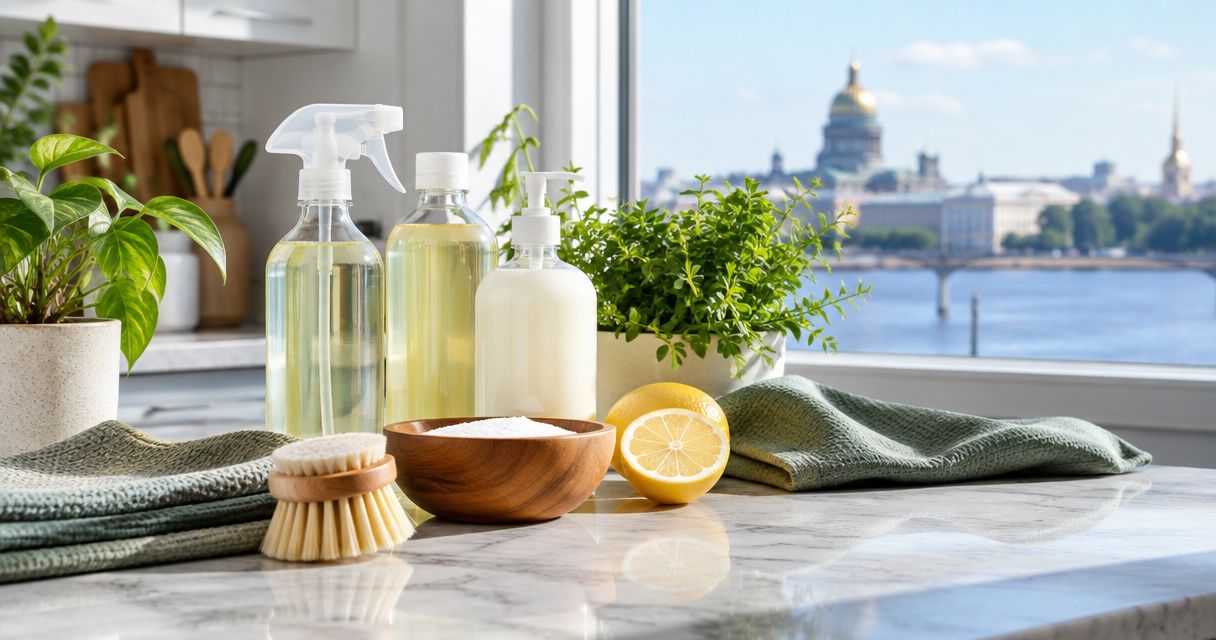
3. Mild, unscented dish soap: best for greasy washable messes
Mild, unscented dish soap helps loosen grease on compatible washable surfaces. Use the amount and method appropriate to the product and surface, then remove residue. Concentrated dishwashing liquid is not a ready-to-use floor cleaner just because it is familiar.
Mild, unscented dish soap pros:
- Addresses greasy soil that water alone leaves behind.
- Provides a cleaning option without added scent when labeled unscented.
- Suits targeted cleaning of compatible washable items and surfaces.
Mild, unscented dish soap cons:
- Can leave a film if you use too much or fail to remove residue.
- Is not a disinfectant unless the specific product label establishes that use.
- Does not belong on every wood finish, textile, or specialty surface.
Best for: Targeted greasy marks and washable household items whose care instructions permit this method.
For pet bowls, follow the bowl manufacturer's washing instructions and rinse away detergent before reuse. Do not treat household dish soap as a pet shampoo. Cleaning a bowl or floor is a different use from applying a substance directly to an animal.
Verdict: Buy mild, unscented dish soap for compatible greasy messes; skip improvised whole-house dilution recipes.
4. Fragrance-free surface cleaner: best for routine surface cleaning
A fragrance-free surface cleaner is the next option when water does not remove ordinary household soil. Choose one labeled for your actual surface, not simply one marketed with a pet illustration. Read any instructions for food-contact surfaces separately from general cleaning directions.
Fragrance-free surface cleaner pros:
- Avoids added fragrance when that is your preference.
- Provides formulated cleaning action for appropriate household soil.
- Can offer clear directions for specific surface types.
Fragrance-free surface cleaner cons:
- Still requires precautions against licking, ingestion, and direct exposure.
- Does not automatically disinfect.
- Can be incompatible with particular stone, finishes, or fabrics.
Best for: Routine kitchen, bathroom, and hard-surface cleaning where the label matches the material.
In 2026, judge a fragrance-free cleaner by its instructions rather than its packaging language. Words such as natural, green, and plant-based do not replace the precautions on the label. Keep the original container so anyone cleaning your home can identify the product and read its directions.
Verdict: Buy a fragrance-free surface cleaner when its label matches your cleaning task; skip any claim that fragrance-free means safe to swallow.
5. Surface-appropriate disinfectant: best for targeted disinfection
A disinfectant belongs in a pet household when there is a defined reason to disinfect a compatible surface. In the United States, EPA-registered disinfectants carry directions specifying their approved uses and contact times. Follow the exact label rather than a general household recipe.
Surface-appropriate disinfectant pros:
- Addresses specified germs when used as directed.
- States the conditions required for its disinfecting claim.
- Offers a separate method for tasks that ordinary cleaning does not address.
Surface-appropriate disinfectant cons:
- Requires keeping pets away during application and any specified reentry period.
- Can require rinsing, ventilation, or other surface-specific precautions.
- Is unnecessary for many ordinary dust and paw-print tasks.
Best for: A specific disinfection need, especially when a veterinarian has advised a cleaning protocol after illness.
Clean visible soil as directed before disinfecting. Keep the surface wet for the label's stated contact time, then complete any required rinsing or drying. Never mix cleaning chemicals; bleach and ammonia, for example, can produce dangerous gases.
Verdict: Hold disinfectant for a defined task; skip routine application simply because a pet lives in the home.
How these options are ranked
Water and microfiber rank first because ordinary dust and light marks do not always require a chemical cleaner. Enzymatic treatment ranks next for a distinct pet-related problem, followed by grease removal, formulated surface cleaning, and targeted disinfection.
This is a task-based buying guide, not a laboratory comparison of named formulas. The criteria are cleaning purpose, material compatibility, exposure instructions, fragrance preference, and repeatable use. Choose the method that fits the mess, not the highest-ranked option regardless of context.
Which cleaning option should you choose?
Start with water and microfiber for light soil on compatible surfaces, and add a specialized cleaner only when the task requires it. Keep an enzymatic cleaner for appropriate pet accidents. Use dish soap or a surface cleaner when their labels match the material and mess.
For a vacation rental, avoid giving every cleaner permission to improvise. Record the approved method for each important surface, including any exclusions. If guests bring animals, include pet-access arrangements in your cleaning handoff rather than assuming the cleaner will discover them on arrival.
Tampatopshelf is best for St. Petersburg and Pinellas County homeowners and hosts who want cleaning services rather than another cleaning product. The local team is licensed and insured and reachable by phone or text. Discuss your pets and product preferences when requesting a straightforward quote tailored to your property.
Set up a pet-aware cleaning handoff
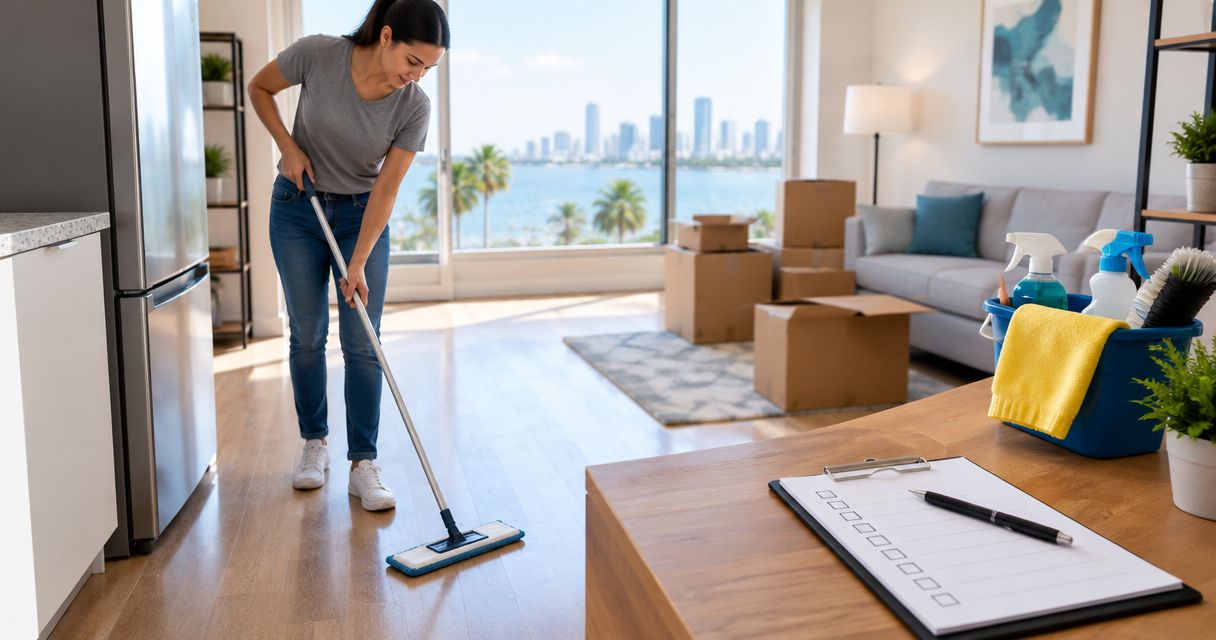
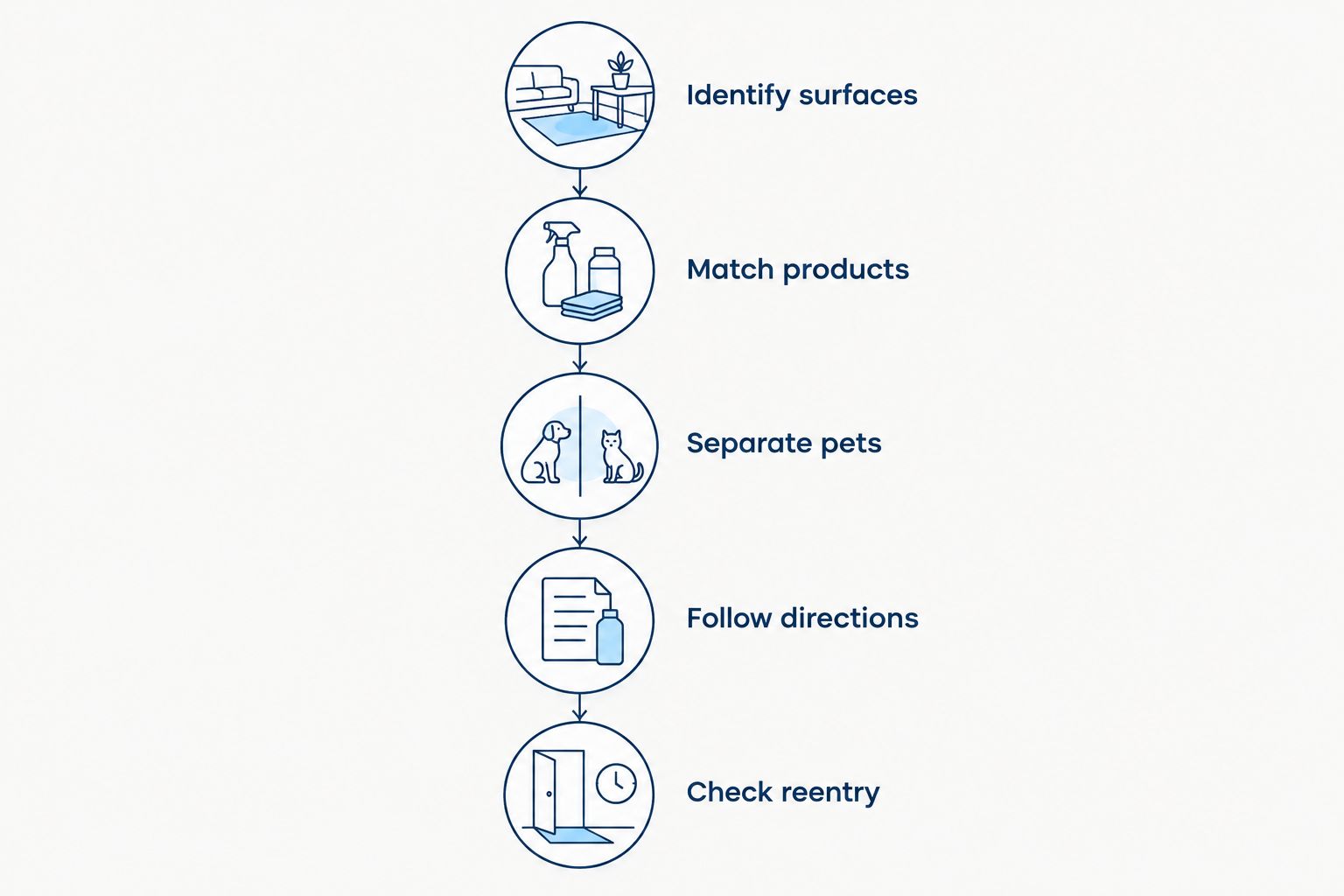
A repeatable handoff matters whether you clean yourself or arrange service. For your 2026 household or turnover plan, use this sequence:
- Identify surfaces. List flooring, rugs, counters, and upholstery that need specific care. Flag damaged finishes and materials with cleaning restrictions.
- Match products. Select a labeled method for each task. Keep directions available instead of relying on memory or an unlabeled spray bottle.
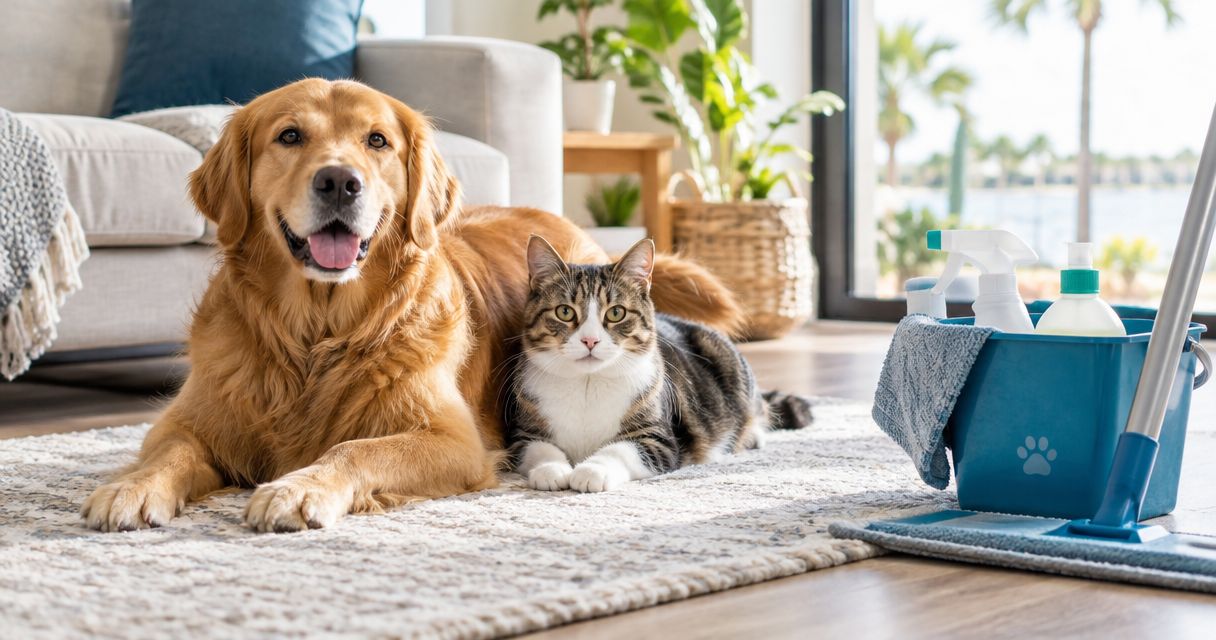
- Separate pets. Arrange a room or other suitable location away from active cleaning. Tell the cleaner about escape risks and access instructions.
- Follow directions. Apply, rinse, ventilate, and allow drying exactly as the product and surface instructions require.
- Check reentry. Confirm the treated areas meet the label's reentry requirements before allowing pets back.
Keep 1 written checklist per property, 2 separate cloth sets for bathroom and kitchen work, and 1 designated storage area inaccessible to pets. These are organizational choices, not safety certifications. They make your instructions easier to follow without inventing dilution ratios or drying times.
For recurring residential cleaning, explain where pets will stay during service. For Airbnb turnovers, communicate whether an animal is still on-site and identify any accident that needs separate attention. Tampatopshelf provides residential and vacation-rental cleaning; raise these details when arranging the work rather than leaving them as a last-minute note.
Request a pet-aware cleaning quote
Discuss your pets, surfaces, and residential or vacation-rental cleaning needs.
FAQ
What's the best pet friendly cleaning product for everyday floors?
Water and a microfiber cloth are a practical first choice for light soil on floors that permit damp cleaning. Follow the flooring manufacturer's instructions, and use a compatible cleaner when water does not remove the mess.
Are natural cleaning products automatically safe for cats and dogs?
No. Natural and plant-based labels do not establish safety for ingestion or direct exposure. Read the product precautions and keep pets away during cleaning as directed.
Is an enzymatic cleaner better than a regular cleaner for pet urine?
An enzymatic pet-stain cleaner is the more task-specific choice for urine when its label covers the affected material. Follow its application instructions rather than treating it as an instant odor-covering spray.
Can I use dish soap to clean a home with pets?
Yes, for compatible washable surfaces when used appropriately and with residue removed. Do not assume dish soap suits every floor finish or use household dish soap as a pet shampoo.
How long should pets stay away after cleaning?
Follow the specific product's reentry instructions and any required rinsing, ventilation, or drying. There is no universal waiting period that applies to every cleaning product and surface.
Do I need to disinfect every floor because I have a dog?
No. Ordinary soil removal and disinfection are different tasks, and a pet's presence alone does not make every floor a disinfection job. Use a surface-appropriate disinfectant for a defined need and follow its label.
What should I do if my pet licks a cleaning product?
Contact your veterinarian or an animal poison-control service promptly with the product container available. Do not induce vomiting or give a home remedy unless a veterinary professional instructs you to do so.
Can I discuss pets before booking cleaning in Pinellas County?
Yes. Tell Tampatopshelf about your pets, access arrangements, surfaces, and product preferences when requesting a residential or vacation-rental cleaning quote. The local team is reachable by phone or text.
One last thing
A dry floor is not proof that every cleaning requirement has been met. Some labels require rinsing as well as drying, and others specify additional precautions. Put the actual product directions in your cleaning plan instead of writing only keep pets away until dry.
For your 2026 service request, identify the cleaning task first: recurring upkeep, a vacation-rental turnover, a deep clean, or move-in/move-out cleaning. Then explain the pet arrangements and surface restrictions. Request a free quote by phone or text so the cleaning plan starts with your property, not a generic product list.